Traditional Other Space Design Ideas
Timeless elegance rooted in heritage meets every space has potential. Visualize your other space transformed with AI.
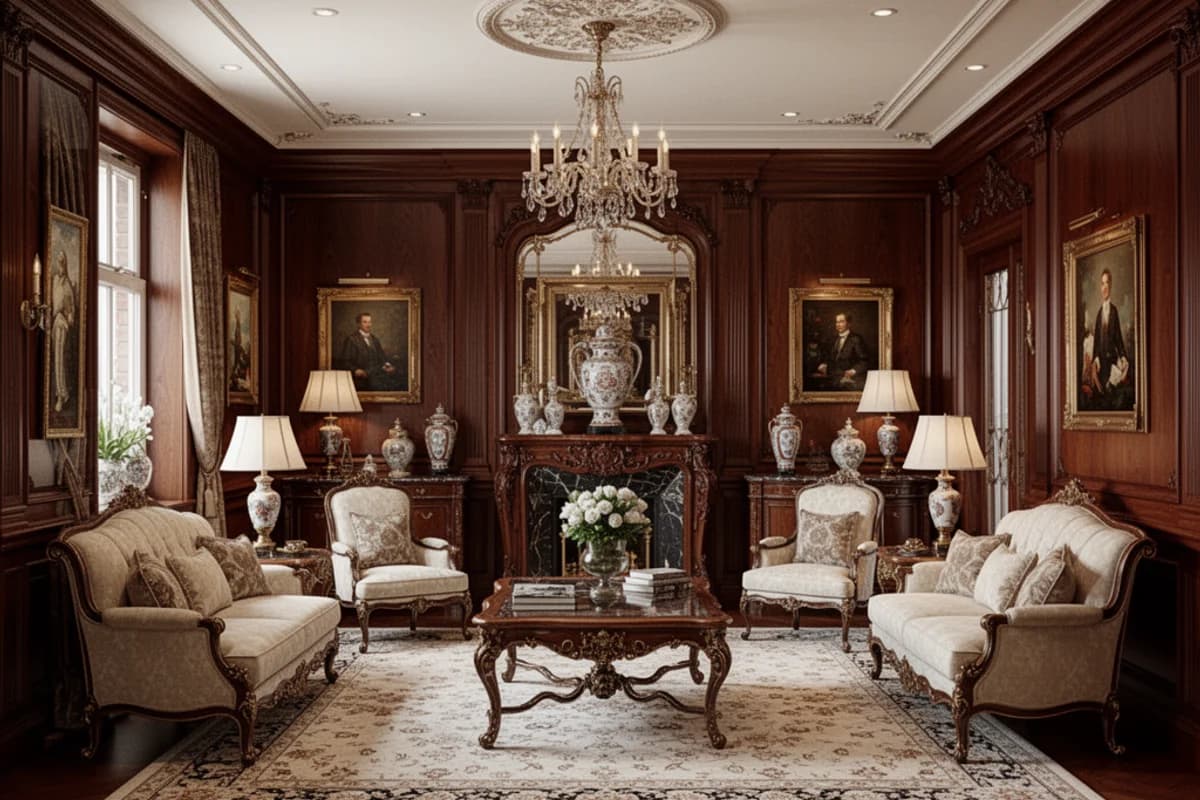
A traditional other space represents one of the most compelling combinations in contemporary interior design. Timeless elegance rooted in heritage naturally aligns with the functional demands of a other space, where every space has potential becomes the primary design objective. This pairing works because both the traditional aesthetic and thoughtful other space planning share a commitment to intentional, considered choices.
Implementing traditional design in a other space means translating core principles—Symmetrical room arrangements, Rich wood furniture and millwork, Layered fabric patterns—into the specific context of this space. The other space presents unique opportunities for traditional expression while demanding practical solutions for daily use. Successful traditional other spaces balance aesthetic ideals with the reality of how you actually live.
When planning a traditional other space renovation, consider how the style's signature elements interact with functional requirements. Document all unusual features: ceiling angles, column locations, quirky dimensions Prioritize function over form when purpose isn't predetermined These practical considerations don't compromise the traditional aesthetic—they ensure it works for daily life.
The traditional color palette—featuring Burgundy, Navy blue, Forest green—adapts beautifully to other space applications. These tones create the atmosphere central to traditional design while meeting the specific mood and function a other space requires. AI visualization lets you see exactly how these colors will appear in your space before committing to any purchases or permanent changes.
Traditional Elements in Your Other Space
- Symmetrical room arrangements
- Rich wood furniture and millwork
- Layered fabric patterns
- Brass and bronze hardware
- Decorative moldings and trim
Other Space Renovation Tips
- Document all unusual features: ceiling angles, column locations, quirky dimensions
- Prioritize function over form when purpose isn't predetermined
- Address any environmental issues (moisture, insulation) before finishing
- Consider multiple potential uses over the home's lifetime
Traditional Color Palette for Other Spaces
These colors work beautifully together in a traditional other space, creating the perfect balance of traditional aesthetics and other space functionality.
Traditional Other Space FAQ
Can traditional design feel fresh rather than stuffy?
Yes, through editing and contrast. Keep traditional bones—symmetry, quality materials, proper proportions—but reduce the number of accessories. Pair antiques with contemporary art for tension.
How do I incorporate traditional style in an open floor plan?
Use furniture arrangement to define distinct zones within the open space. Area rugs anchor seating groups, and consistent color palettes unite the areas while maintaining traditional principles.
How do I determine the best use for an undefined space?
Audit your current home use: What activities lack proper space? Where do you feel cramped or frustrated? The best use for an undefined space usually addresses an unmet need rather than creating something entirely new.
Are non-standard spaces worth the renovation investment?
Often yes, particularly for finished basements and attics that add significant square footage. The cost per square foot is typically lower than new construction, though ROI varies by market and quality.
Create Your Traditional Other Space
Upload a photo of your other space and see it transformed into stunning traditional style in seconds.