Minimalist Empty Room Design Ideas
Essential objects, maximum intention meets a blank canvas of possibility. Visualize your empty room transformed with AI.
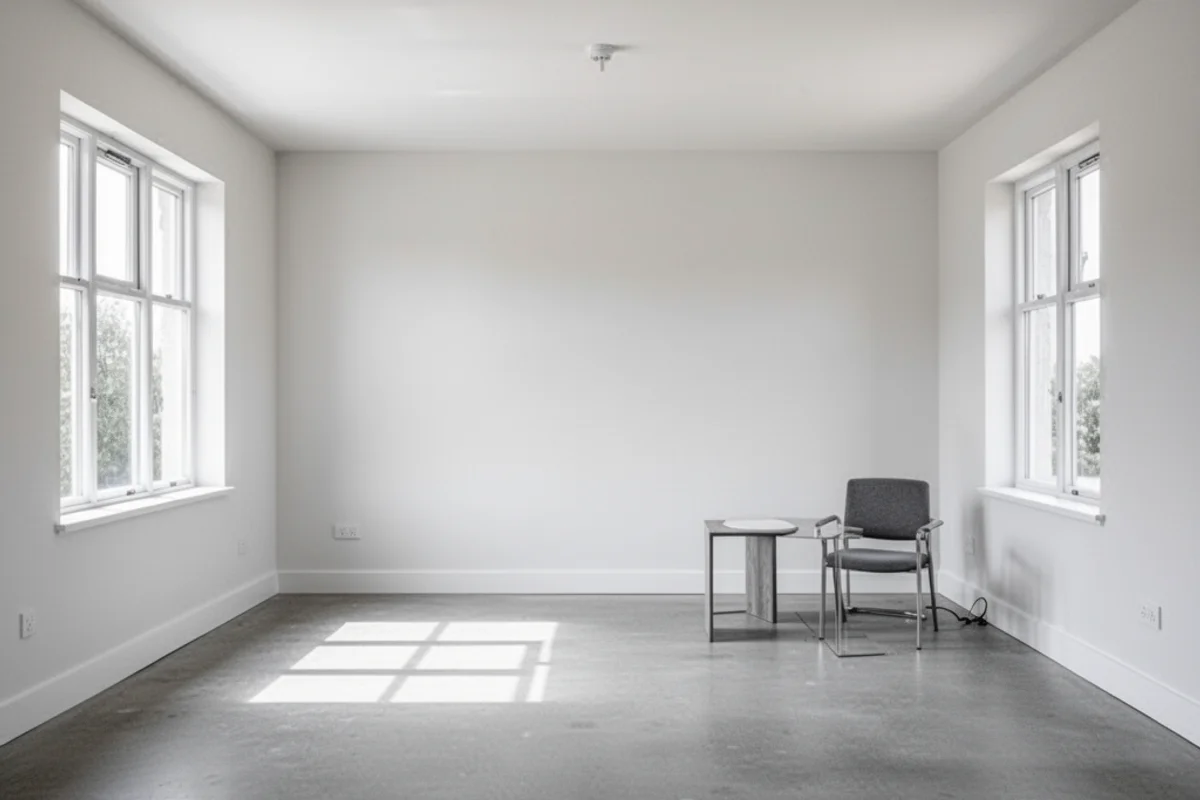
A minimalist empty room represents one of the most compelling combinations in contemporary interior design. Essential objects, maximum intention naturally aligns with the functional demands of a empty room, where a blank canvas of possibility becomes the primary design objective. This pairing works because both the minimalist aesthetic and thoughtful empty room planning share a commitment to intentional, considered choices.
Implementing minimalist design in a empty room means translating core principles—Extreme restraint in object selection, Monochromatic color schemes, Extensive hidden storage—into the specific context of this space. The empty room presents unique opportunities for minimalist expression while demanding practical solutions for daily use. Successful minimalist empty rooms balance aesthetic ideals with the reality of how you actually live.
When planning a minimalist empty room renovation, consider how the style's signature elements interact with functional requirements. Measure the room accurately, including windows, doors, and outlets Note which direction windows face for understanding natural light These practical considerations don't compromise the minimalist aesthetic—they ensure it works for daily life.
The minimalist color palette—featuring Pure white, Warm white, Soft gray—adapts beautifully to empty room applications. These tones create the atmosphere central to minimalist design while meeting the specific mood and function a empty room requires. AI visualization lets you see exactly how these colors will appear in your space before committing to any purchases or permanent changes.
Minimalist Elements in Your Empty Room
- Extreme restraint in object selection
- Monochromatic color schemes
- Extensive hidden storage
- Architectural emphasis on proportion
- Quality over quantity in every choice
Empty Room Renovation Tips
- Measure the room accurately, including windows, doors, and outlets
- Note which direction windows face for understanding natural light
- Consider intended primary function before exploring styles
- Look at multiple layout options before committing
Minimalist Color Palette for Empty Rooms
These colors work beautifully together in a minimalist empty room, creating the perfect balance of minimalist aesthetics and empty room functionality.
Minimalist Empty Room FAQ
Is minimalism actually practical for families?
It requires significant storage infrastructure and ongoing maintenance. Many families find a modified approach—minimalist public rooms, more flexibility in private spaces—more sustainable long-term.
How do I transition to minimalist design?
Start by removing rather than adding. Clear surfaces, edit closets, donate unused items. Live with less before purchasing minimalist furniture. The philosophy precedes the aesthetics.
How do I choose a style for an empty room?
Consider the rest of your home for cohesion, then your personal preferences. AI visualization lets you see the same empty room in multiple styles, making comparison concrete rather than theoretical.
What should I plan first for an empty room?
Start with function: what will happen here? Then layout: where will major furniture go? Finally aesthetic: what style, colors, and materials? Function drives layout; layout informs aesthetics.
Explore Related Ideas
More design inspiration for your home
Create Your Minimalist Empty Room
Upload a photo of your empty room and see it transformed into stunning minimalist style in seconds.